
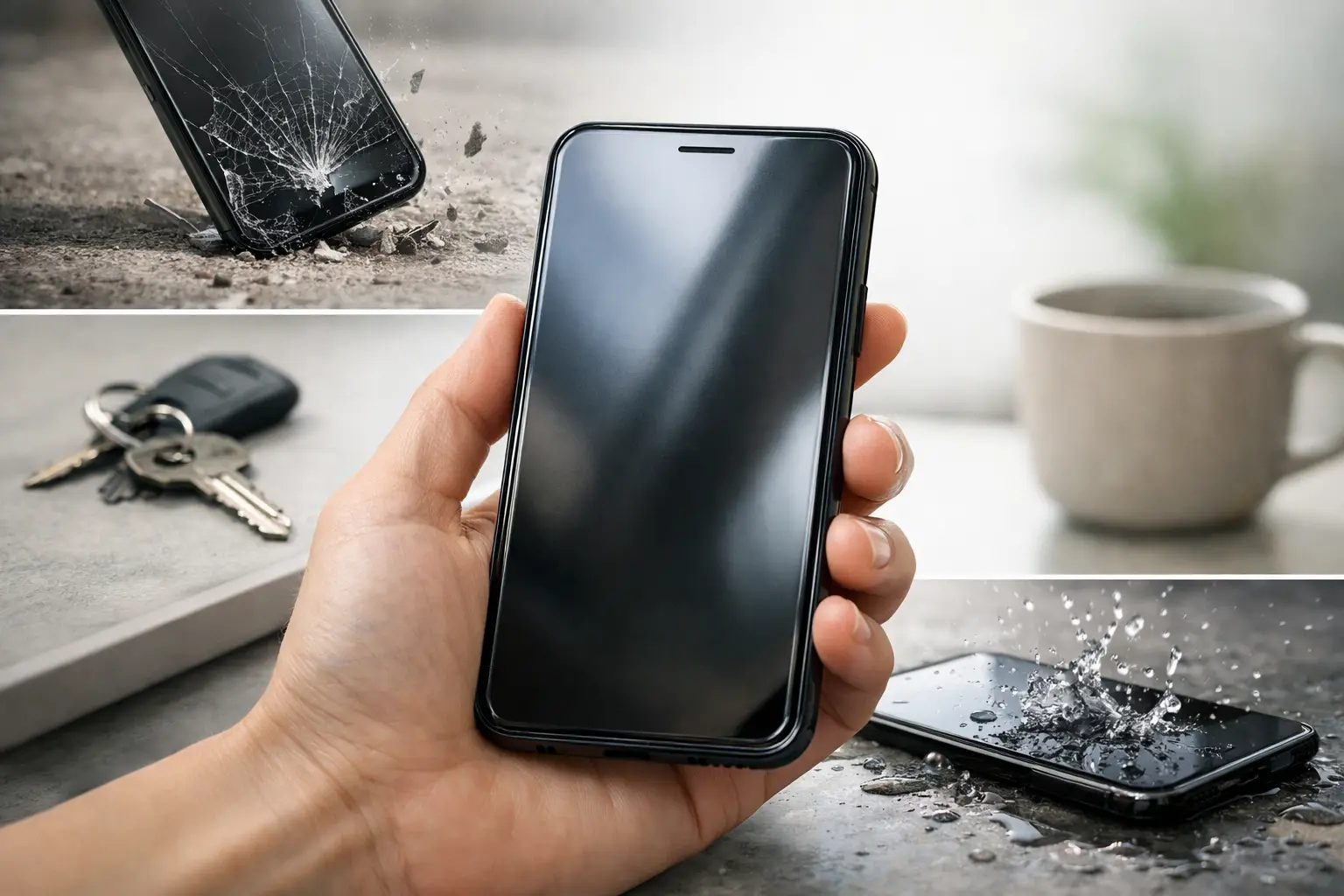
A phone screen rarely breaks at a convenient moment. It happens as you step out of the car, rush between meetings, hand your phone to a child, or reach for it one-handed while carrying shopping. One short drop can turn a perfectly working device into a cracked display that is difficult to read, unsafe to touch and expensive to replace.
Learning how to protect phone screen properly is less about wrapping your device in bulky accessories and more about choosing the right protection for the way you actually use it. A good case, a well-fitted screen protector and a few sensible habits can prevent most everyday damage without making your phone awkward to carry.
How to Protect Phone Screen Before It Is Damaged
The best time to protect a screen is when it is still intact. Small scratches and tiny edge chips weaken the glass over time, making it more likely to crack during a later fall. Even modern phones with strengthened glass benefit from extra protection. Toughened glass is designed to withstand more than older displays, not to survive every impact.
Start with two essentials: a case that rises above the screen and a screen protector that suits your phone. Together, they protect against different types of damage. The case takes much of the force when your phone lands face-down or hits a corner. The protector reduces scratches and can absorb or spread the force of a direct impact on the display.
It is worth fitting protection as soon as you buy a new phone or have a screen replacement. Waiting until after the first scratch usually means the display has already lost part of its protection.
Choose a Case With Raised Screen Edges
Not every phone case offers meaningful screen protection. A slim case may improve grip and prevent scuffs on the back, but it needs a raised lip around the front edge to help when the device lands face-down. Look for a case where the rim sits slightly higher than the display, while still allowing comfortable swiping from the sides.
Corner protection matters just as much. Most serious drops land on a corner, where the impact can travel through the frame and into the screen. Cases with reinforced or air-cushioned corners are particularly useful for commuters, parents, students and anyone who often uses their device outdoors.
There is a trade-off. Very rugged cases offer more impact resistance but can make a large phone feel heavier in a pocket or handbag. For most people, a well-made everyday case with raised edges and protected corners offers the right balance. If you work on building sites, cycle regularly, use a phone in a warehouse or give devices to field staff, a more protective case is usually worth the extra bulk.
Pick the Right Type of Screen Protector
Screen protectors come in several forms, and the best option depends on your phone and how you use it.
Tempered glass protectors are the most popular choice for good reason. They feel close to the original display, resist scratches well and can crack instead of the phone screen during a knock. A cracked protector does not always mean the screen underneath is damaged, but it should still be replaced promptly because its protective strength has been reduced.
Flexible film protectors are thinner and can be a better fit for phones with strongly curved displays. They are less likely to lift at the edges, but they generally offer less impact protection than tempered glass. They are useful when preserving touch sensitivity and compatibility with curved screens matters more than maximum drop protection.
Privacy protectors limit what people beside you can see on the display. They can be useful on trains, in cafés and in workplaces, particularly if you handle customer or company information. However, they may make the screen appear dimmer and can slightly affect viewing angles. Anti-glare protectors are helpful outdoors but may reduce the sharp, glossy finish people expect from a modern display.
Whichever type you choose, make sure it is made for your exact model. A protector that is too small leaves vulnerable edges exposed. One that does not fit properly can interfere with a case, collect dust or lift after a few days.
Fit Your Screen Protector Carefully
A high-quality screen protector fitted badly can be frustrating. Dust trapped underneath creates bubbles, misalignment leaves part of the screen exposed, and a poorly cleaned display can prevent the adhesive from bonding properly.
Clean the screen with a microfibre cloth before fitting anything. Remove dust in a well-lit, low-draft room, rather than near an open window or on a busy kitchen table. Take your time to line up the camera cut-outs and speaker area before lowering the protector onto the display.
If you are unsure, professional fitting is often the sensible option. It saves wasting protectors and ensures your case and screen protector work together. This is especially helpful for expensive devices, foldable phones and models with curved screens.
Everyday Habits That Prevent Cracks and Scratches
Accessories do much of the work, but daily handling still makes the difference. The most common causes of screen damage are surprisingly ordinary: sharing a pocket with keys, placing a phone on a car roof, balancing it on a sofa arm, or using it while walking without a firm grip.
Keep your phone in a separate pocket or compartment. Keys, coins, loose chargers and metal zip pulls can scratch even a protected screen over time. If you carry your phone in a handbag, use an inner pocket where it cannot slide against hard objects.
Put it down with the screen facing upwards whenever practical. This does not prevent every accident, but it avoids dragging the display across tables, worktops and rough surfaces. Be cautious with sandy areas too. Sand is abrasive and can scratch a screen or work its way under the edge of a case or protector.
Avoid leaving your phone on unstable surfaces. The edge of a desk, the arm of a chair and a car bonnet are all common drop zones. Charging cables can also pull a phone onto the floor, so keep the cable where it cannot be caught by feet, chairs or pets.
For families, consider where children use devices. A phone passed between children on a tiled floor has a much greater chance of damage than one used on a sofa or at a table. A grippy case and a screen protector are a small cost compared with repeated screen repairs.
Keep Heat, Moisture and Dirt Away From the Display
A screen can be damaged without a dramatic drop. Excessive heat may weaken adhesives, cause protectors to lift and affect the display itself. Do not leave a phone in direct sunlight on a dashboard, near a radiator or under bedding while charging.
Moisture deserves the same attention. Many newer phones have some water resistance, but that rating can weaken after a drop, repair or normal wear around seals. Water can enter through damaged glass and cause problems beneath the display, sometimes appearing later as flickering, dark patches or unresponsive touch areas.
Clean your screen gently with a dry microfibre cloth. For stubborn marks, use a lightly dampened cloth rather than spraying liquid directly onto the phone. Household cleaners, window spray and abrasive paper towels can damage protective coatings and leave the screen looking dull.
Do Not Ignore Small Screen Damage
A hairline crack may seem harmless, especially if the touch screen still works. Yet cracks can spread quickly after a second knock or a change in temperature. They can also allow dust and moisture into the display, making a simple screen replacement more urgent.
Replace a damaged screen protector straight away, even if the display underneath looks fine. If the actual screen is cracked, has black spots, flickers, shows coloured lines or does not respond consistently, arrange a diagnosis rather than pressing on it or trying to seal it with tape.
For customers in Maarssen and the surrounding area, Logiexpert Smartphone Repairs can assess screen damage before work begins. Free diagnostics and a no-fix-no-pay approach make it easier to understand what is wrong and decide on the most practical repair, whether you use an iPhone, Samsung, Google, Xiaomi, Huawei, Oppo, OnePlus or another model.
Protecting Work Phones and Shared Devices
For a business, one broken screen is more than an inconvenience. It can delay calls, access to schedules, navigation, customer updates and mobile payments. Shared devices are particularly vulnerable because they are handled by several people and often spend time in vehicles, bags or busy workspaces.
Give each work phone a protective case and fitted protector before it is issued. It also helps to set a simple rule: devices should not be stored loose with tools, keys or stock. Keep spare protectors available, and replace them as soon as they crack rather than waiting for the underlying screen to take the next impact.
If your team works on-site, choose cases that are easy to grip with dry hands and do not interfere with charging docks or vehicle mounts. The right setup depends on the job, but prevention is nearly always cheaper than device downtime.
A protected screen will not make a phone indestructible. It will, however, give it a far better chance against the drops, scratches and hurried moments that everyday life brings. Fit protection early, handle the device with care, and deal with small damage before it becomes the repair you did not plan for.
Lascia un commento